The Business Press – June 28, 2023 at 05:52PM
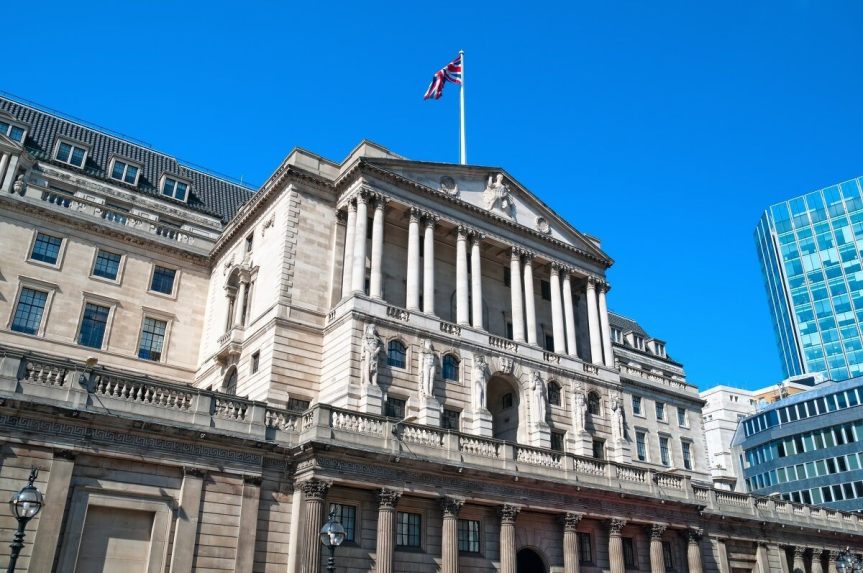
With the Bank of England having raised interest rates for the 13th consecutive month and millions of self-employed workers struggling to make ends meet, there is growing criticism towards HMRC for its approach to charging interest to taxpayers. Recent reports have highlighted how HMRC charges nearly double the interest rate to 600,000 taxpayers compared to what it pays out in refunds.
The rising interest rates set by the Bank of England have far-reaching implications for various segments of the economy, particularly for those who are self-employed. Self-employed individuals already face a multitude of challenges, including uncertain income, irregular cash flow, and lack of benefits. The consistent increase in interest rates only adds to their financial burden.
Since 31st May, HMRC has charged 7% interest on late payments but only pays 3.5% interest on tax refunds – a 100% difference. As a result, HMRC has been slammed for ‘profiteering from self-employed workers at the worst possible time’ by IWORK, the body that champions independent working.
Prior to this, HMRC charged 6.75% interest and paid just 3.25% on money owed to taxpayers in refunds. Interest charged by HMRC to taxpayers in the past 12 months has doubled, from 3.5% to 7%.
The decision to raise interest rates is aimed at curbing inflation and maintaining the stability of the economy. However, it seems that the detrimental impact on self-employed workers has not been adequately considered. While higher interest rates may benefit savers and investors, they can have severe consequences for those who rely on borrowing for their business or personal needs.
HMRC’s method of charging interest has also come under scrutiny. The fact that they charge significantly higher interest rates to taxpayers than what they pay out in refunds raises questions about fairness and transparency. These taxpayers, already struggling to make ends meet, are being hit with additional financial obligations without receiving equal benefits when they are due refunds.
Given the current economic landscape, it is crucial for policymakers and institutions to be mindful of the challenges faced by the self-employed. Measures should be taken to ensure a balanced approach to interest rates, considering the impact on different sectors. Additionally, HMRC should review its interest rate policies to ensure fairness and provide relief to those taxpayers who are barely managing to cope with the rising costs of living.
At the start of the year, it was reported that around 600,000 taxpayers were due to miss the self-assessment deadline of 31st January, meaning they faced possible late payment fees. HMRC has also closed its self-assessment taxpayers’ telephone line from 12th June until 4th September 2023 – a move for which the tax office has been widely criticised.
 The Business Press