
The Business Press – June 30, 2023 at 01:44AM
Amidst soaring temperatures in Saudi Arabia, concerns have arisen regarding the welfare of the millions of pilgrims who have embarked on the annual Hajj pilgrimage to Mecca. As temperatures exceed 44°C (111°F), the safety of pilgrims becomes a pivotal concern. This blog post delves into the risks associated with extreme heat during Hajj and explores the measures taken by Saudi Arabia to address this challenge.
Since the timing of Hajj follows the lunar calendar, it falls during Saudi Arabia’s hottest months until 2026. The staggering number of pilgrims arriving this year, expected to exceed two million, has raised apprehension among authorities. The abolishment of the maximum age limit of 65, previously implemented due to the COVID-19 pandemic, has further heightened concerns about the vulnerable elderly population.
Despite these challenges, the Saudi government remains dedicated to ensuring the safety and well-being of Hajj pilgrims. Yara Asi, an assistant professor of global health at the University of Central Florida, highlights their conscientious approach, stating that the government takes their duty as hosts very seriously. The country’s desire for a successful and incident-free pilgrimage drives their commitment to providing a safe environment.
The extreme temperatures experienced during Hajj are not solely attributed to climate change, as the region is a desert by nature. However, meteorological measurements and modeling studies suggest that the Middle East, particularly the Gulf region, is witnessing escalating heat beyond historical norms. The combination of dry air temperature and humidity, known as “wet-bulb” conditions, hinders the body’s ability to dissipate heat. Wet-bulb temperatures have risen nearly 2°C (3.6°F) in the past three decades. The Middle East is warming at double the global average, making it hotter than when the prophet Muhammad inaugurated the Hajj centuries ago.
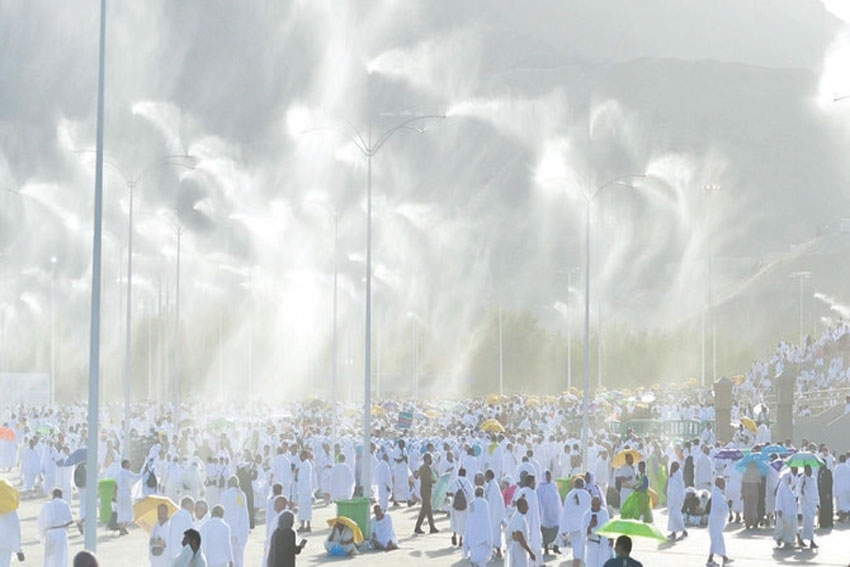
While stampedes and crowd control have traditionally been safety concerns, Saudi authorities have recognized the urgent need to address extreme heat. To combat this issue, Saudi Arabia has implemented preventative measures. Cooling systems spray water on worshippers at the Grand Mosque, and free water bottles and umbrellas are being distributed. Moreover, over 32,000 health workers have been deployed to provide medical assistance, and additional hospital beds have been made available. Despite these efforts, experts argue that further measures may be necessary, particularly to protect vulnerable individuals with pre-existing health conditions.
As climate change continues to accelerate, the impact on vulnerable populations may necessitate changes in Hajj participation. Elderly individuals, who often face health complications due to extreme heat, may be discouraged from undertaking the pilgrimage in the future. Families may opt to send younger members to alleviate the risk of heat-related incidents. However, these temporary solutions cannot truly address the root cause. Saudi Arabia, as one of the world’s top carbon emitters due to its reliance on fossil fuels, must enact sustainable measures to effectively contend with climate change.
The extreme heat endured during Hajj poses significant challenges to the safety and well-being of the pilgrims. Saudi Arabia’s commitment to their duty as hosts is evident in the measures taken, considering both the physical and environmental risks. However, as the effects of climate change intensify, it is crucial for authorities to implement long-term strategies to safeguard both the present and future hajj journeys.
 The Business Press