
The Business Press – July 02, 2023 at 03:00PM
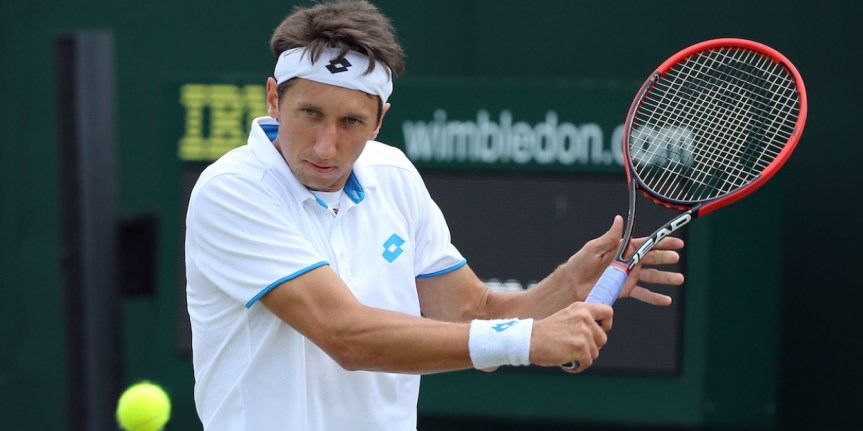
The prestigious Wimbledon tournament made headlines earlier this year when it decided to lift the ban on Russian and Belarusian players. While this decision was met with controversy, former player Sergiy Stakhovsky acknowledges the tournament’s bravery in taking a stand. However, he also highlights the lack of support from other grand slams, shedding light on the complex dynamics surrounding Wimbledon’s reversal.
Just before the official announcement, Jamie Baker, Wimbledon’s tournament director, engaged in a conversation with Sergiy Stakhovsky. Sergiy, the Ukrainian who had achieved the remarkable feat of defeating Roger Federer at Wimbledon in 2013, had recently retired from the sport. However, following the invasion of his homeland by Russia, Sergiy felt compelled to return to his country and fight for its cause.
To the surprise of many, Wimbledon’s lifting of the ban on Russian and Belarusian players did not receive whole-hearted backing from other grand slams. Amid the controversy, the men’s Association of Tennis Professionals (ATP) and the Women’s Tennis Association (WTA) took a stern stance. Wimbledon and the Lawn Tennis Association faced fines, while there were threats to revoke licenses for tournaments such as Queen’s.
The All England Club found itself at a crossroads. While some may argue that they had little choice, it took great bravery for Wimbledon to make a decision that went against the grain. The ban had been in place for years, and the reversal was a significant departure from the tournament’s traditional stance. It was a courageous step towards inclusivity and a reevaluation of geopolitical conflicts impacting the world of tennis.
Wimbledon’s decision to lift the ban on Russian and Belarusian players undoubtedly stirred controversy within the tennis community. In this tumultuous period, Sergiy Stakhovsky recognizes the bravery demonstrated by the tournament but is also quick to point out the lack of solidarity from other grand slams. This decision has opened a dialogue on the intersection of politics and sports, illustrating the complex challenges faced by major tennis events when confronted with sensitive geopolitical issues.
Although opinions may differ on the course of action taken by Wimbledon, one thing remains indisputable: the tournament’s role in shaping the future of international tennis and its perseverance to navigate uncharted territories.
 The Business Press