
July 09, 2023 at 11:13PM
In recent developments on the battlefield in Syria, a high-ranking Islamic State (ISIS) leader was eliminated in a U.S. drone strike. The operation took place just hours after American Reaper drones encountered harassing incidents involving Russian military jets over the western region of the country.
The U.S. Defense Department has reported that the successful strike targeted Usamah al-Muhajir, who was riding a motorcycle in the Aleppo region.
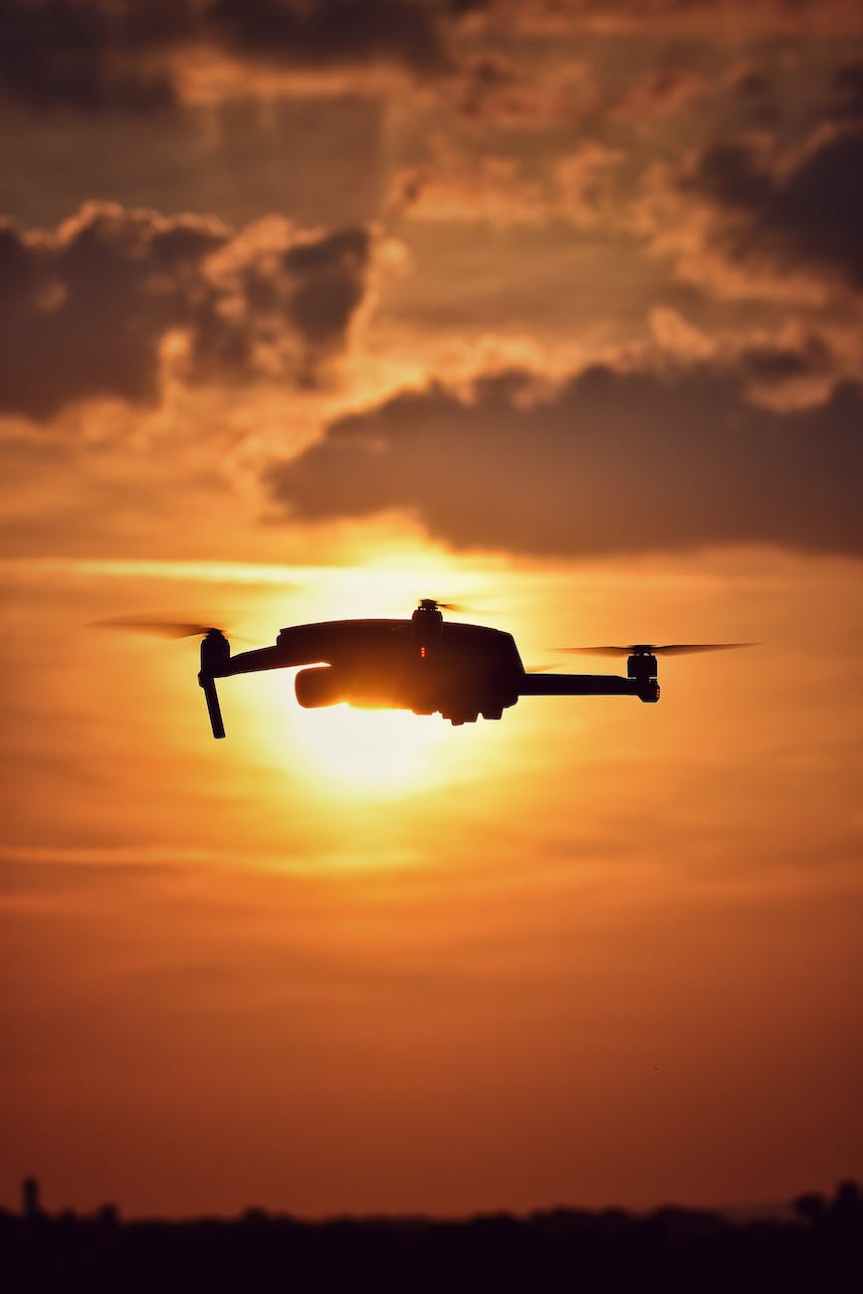
Three MQ-9 Reaper drones were conducting surveillance when they faced approximately two hours of harassment from Russian aircraft. Despite the challenges faced, the drones were able to deliver a precise blow.
The identity of al-Muhajir was confirmed by U.S. military officials, although specific details regarding the verification process have not been disclosed.
Although al-Muhajir was discovered in northwest Syria during the strike, it is worth noting that his usual area of operation lies in the east. This demonstrates the importance of agile and adaptable aerial platforms such as the Reaper drones in effectively targeting elusive enemy combatants from a distance.
Importantly, U.S. Central Command has emphasized that the airstrike resulted in zero civilian casualties. While reports suggest the military is investigating potential injuries to a civilian during the operation, the initial assessment indicates a successful strike that avoided collateral damage.
Unfortunately, these events between U.S. and Russian military forces are not isolated incidents. This past Friday marked the third consecutive day of U.S. complaints regarding unsafe and provocative behavior by Russian fighter jets in the region, specifically targeting American drones. Lt. Gen. Alex Grynkewich, the head of U.S. Air Forces Central Command, spoke out against the Russian planes, citing 18 instances of unprofessional close encounters, effectively forcing the MQ-9s to take evasive maneuvers to ensure their safety.
Tensions began escalating earlier in the week when Russian military aircraft were deemed to have engaged in “unsafe and unprofessional behavior” during an American drone mission against ISIS.
The following day, Russian fighter jets were again reported to have acted recklessly, this time flying dangerously close to both French and U.S. aircraft over Syria.
The recent Russian actions have caught the attention of the international community. Col. Michael Andrews, spokesperson for Air Forces Central Command, conveyed that the Thursday incident involved a SU-34 and SU-35 fighter aircraft performing close fly-bys and deploying flares directly towards the U.S. MQ-9 drones.
Notably, the drones were unarmed during the earlier confrontations but were carrying weapons when they successfully targeted al-Muhajir.
Despite the ongoing tensions, Gen. Erik Kurilla, the commander of U.S. Central Command, reiterated the commitment to defeating ISIS throughout the region. He highlighted the coalition’s unwavering dedication to dismantling the extremist group’s influence and maintaining stability in the face of various challenges.
 The Business Press