
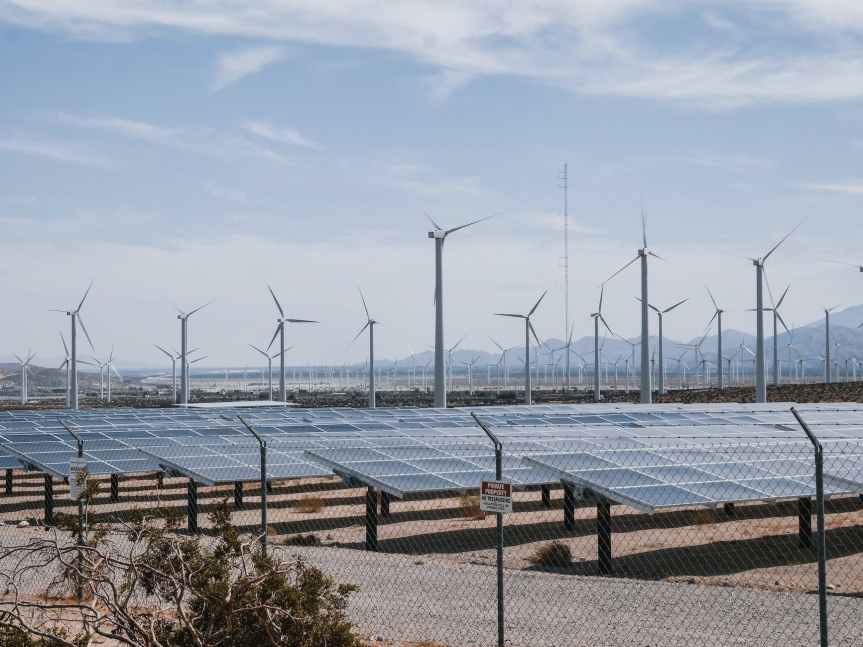
Renewable energy sources have become the backbone of our quest for a sustainable future, driving the global transition to a low-carbon economy. However, concerns regarding the availability of battery metals and critical minerals have persistently loomed over this transition. In light of recent developments, the International Energy Agency (IEA) offers a new perspective, indicating that the looming shortages may no longer pose significant obstacles.
According to the IEA report, the mining sector has witnessed a substantial increase in investment, effectively mitigating the previous concerns surrounding shortages of battery metals and critical minerals. This influx of capital signifies an industry-wide recognition of the vital role these resources play in the low-carbon transition. Industry leaders are dedicated to meeting the rising demand for these materials, ensuring a seamless integration of renewable energy technologies into our daily lives.
The report further emphasizes the role of innovation in overcoming resource limitations. Technological advancements, such as improved extraction techniques and recycling processes, are enabling the sustainable use of these resources. Efforts to develop alternative materials for battery production, reduce reliance on scarce elements, and encourage circular economy principles have shown remarkable progress. Such developments not only alleviate supply concerns but also pave the way for increased efficiency and cost-effectiveness, making clean energy more accessible to all.
Recognizing the global significance of the low-carbon transition, international collaboration stands as a catalyst for success. Governments, mining companies, and environmental organizations are engaging in partnerships to promote responsible mining practices, enhance resource exploration, and streamline supply chains. By fostering a collaborative ecosystem, stakeholders can collectively address challenges, minimize environmental impacts, and propel sustainable development.
While the IEA report offers encouraging insights, it is important to remain vigilant and ensure the continued commitment towards responsible mining practices. By embracing technological advancements, promoting collaboration, and investing in innovation, we can sustainably address the growing demands of battery metals and critical minerals. These resources are instrumental for achieving a cleaner and greener future, empowering the transition to a low-carbon economy fueled by renewable energy solutions.
The IEA’s latest report signifies a significant shift in the perception of battery metal and critical mineral shortages. With a surge of investment into the mining sector, the potential roadblocks perceived in powering the low-carbon transition are diminishing. Technological advancements, collaboration, and a focus on responsible mining practices offer a promising outlook for the sustainable availability of these valuable resources.
 The Business Press