
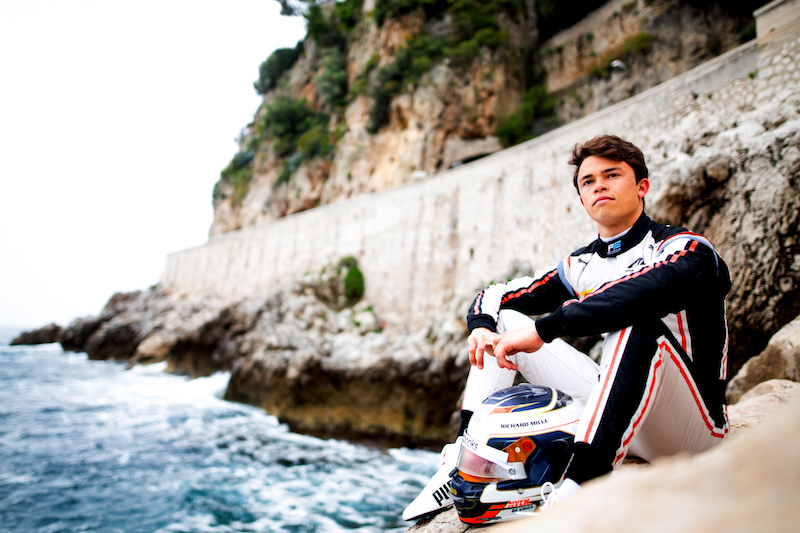
The recent announcement of Daniel Ricciardo taking Nyck de Vries’ seat at AlphaTauri in Formula 1 has once again highlighted the unpredictable and often brutal nature of the sport. This sudden switch sheds light on the limited opportunities available to drivers in the fiercely competitive world of F1. The Netflix series Drive to Survive aptly captures the essence of the sport, as it thrives on the ethos of “what have you done for me lately.” With only a handful of coveted seats up for grabs, drivers must endure a lack of patience while striving to make their mark.
During the Italian Grand Prix in the previous season, Nyck de Vries stepped in for Alex Albon at Williams, showcasing his exceptional talent. Despite minimal practice time, he qualified 13th ahead of his teammate Nicholas Latifi and eventually secured a commendable ninth-place finish in his inaugural Formula 1 race. Fan votes awarded him the title of Driver of the Day, cementing his potential. This outstanding performance led to AlphaTauri offering de Vries a full-time seat for the 2023 season.
However, after a mere ten races and less than a year later, de Vries was abruptly replaced by Daniel Ricciardo, leaving many shocked by the suddenness of the decision. This unexpected turn of events highlights a harsh reality of life in F1, where professional careers can be subject to quick and unfavorable transformations.
De Vries boasts an impressive racing pedigree, having triumphed at every level before reaching Formula 1. He clinched his first championship title in 2014 in the Formula Renault 2.0 series, scoring points in almost every race. De Vries progressed to Formula Renault 3.5, finishing third in the standings. In 2019, he secured the Formula 2 Championship, outperforming fellow drivers who had already made their way into F1. Additionally, he tasted success in Formula E, becoming a champion in the 2020-2021 season.
AlphaTauri’s decision to offer de Vries a seat following Pierre Gasly’s move to Alpine was met with enthusiasm by the team. Expectations were high, given de Vries’ proven record of winning races and championships across various categories. However, the team’s excitement was short-lived as they opted to part ways with de Vries after just ten races, abandoning the potential for him to regain his footing.
While concerns were voiced by figures such as Christian Horner, who had reservations about de Vries’ performance, it is essential to acknowledge that factors beyond the driver’s control can contribute to such decisions. Teams may seek to assess other drivers, place pressure on existing team members, or explore alternative options. Such complexities illustrate the unforgiving and volatile nature of the sport.
This surprising turn of events brings to mind George Russell’s story. The young driver faced an uncertain future during the 2020 season but ultimately retained his seat at Williams with the team’s support. His persistence paid off as he demonstrated his skill and secured a move to Mercedes alongside Lewis Hamilton. However, even the most accomplished drivers are not immune to F1’s uncertainties, as exemplified by Valtteri Bottas’ departure from Mercedes in favor of Russell.
Life in Formula 1 can be unforgiving and fleeting. Nyck de Vries’ situation mirrors the many cases where talented drivers are given limited time to showcase their abilities. With dominant teams like Red Bull prioritizing their quest for success, patience is a rarity. The sport rewards risk-taking and impulsiveness, often leaving drivers at the mercy of unforeseen circumstances.
Nyck de Vries’ unexpected departure from AlphaTauri serves as a stark reminder of the challenges faced by aspiring drivers in the competitive world of Formula 1. With limited seats available, opportunities are few and far between, and the future remains uncertain for even the most accomplished racers. Regardless of the circumstances, F1 continues to showcase its ruthless and unpredictable nature, cementing its status as a sport where fortunes can change in an instant.
 The Business Press