
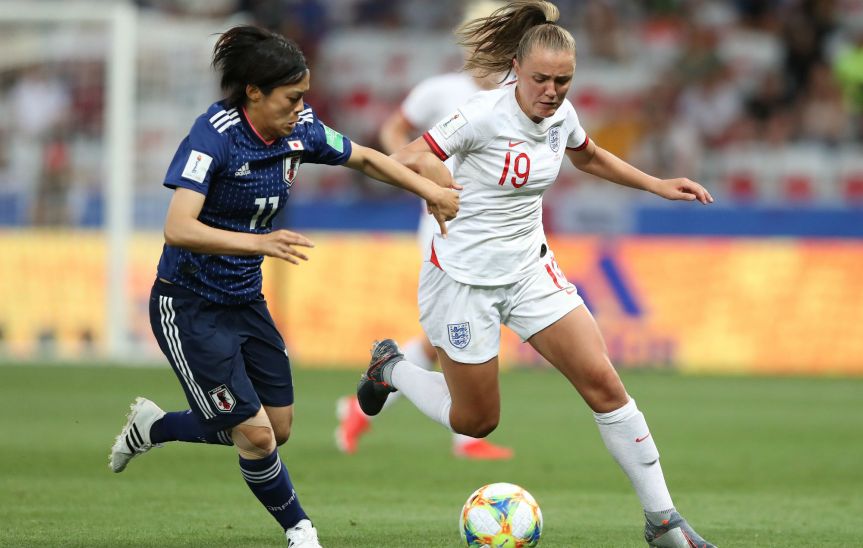
In recent years, women’s soccer in the United Kingdom has experienced a remarkable surge in popularity and public acceptance. The success of the England women’s national team, coupled with increased funding and more favorable media coverage, has propelled the sport to new heights. This shift has far-reaching consequences for both Britain and the overall landscape of women’s soccer worldwide.
Women’s soccer in England faced significant challenges as it established itself as a force to be reckoned with. In the 19th century, when the first organized women’s soccer teams emerged, they were met with contemptuous and degrading coverage. Gender norms of the time questioned the suitability of women participating in what was predominantly seen as a men’s game. Nevertheless, the women’s sport thrived during World War I when men’s soccer leagues were suspended. Women formed teams within munitions factories, playing matches that attracted thousands of spectators. However, the Football Association (FA) eventually banned women’s soccer in 1921, with the prohibition remaining in place for half a century.
The long-awaited return of women’s soccer to England came in 1971, but progress was slow. England’s women’s national team didn’t participate in a World Cup until 1995, more than two decades after the tournament’s inception. The establishment of the first professional women’s soccer league in 2018 marked a significant milestone. However, even today, women’s soccer in Britain lags behind the achievements of its counterparts in countries like the U.S. The financial struggles faced by some players, who have had to balance their professional careers with part-time jobs, remain a poignant reminder of the work still to be done.
One of the driving forces behind the resurgence of women’s soccer in the UK has been the evolving media coverage, which has helped challenge traditional stereotypes. The watershed moment was the 2015 Women’s World Cup, where all matches were televised on the BBC. The coverage not only portrayed the sport positively but also focused on the skill and achievements of the players. This inclusive coverage successfully attracted a broader audience, including male fans who had previously held misogynistic attitudes towards women’s soccer. It is worth noting that women’s soccer fandom tends to be less aggressive and more inclusive compared to its male counterpart.
The record-breaking numbers and unprecedented popularity of women’s soccer in recent years are undeniably impressive. England’s victory in the 2022 Euros captivated the nation, with a television audience of 17.4 million and an additional 5.9 million streaming the game online. Despite these achievements, challenges persist. Coverage often declines after major events like the World Cup, and equal pay remains an important issue. The introduction of salary floors, modeled after successful practices in international women’s leagues, has been recommended by a landmark review commissioned by the British government. Additionally, the perception that soccer is still predominantly a male domain hinders progress at both the grassroots and senior club levels.
 The Business Press