
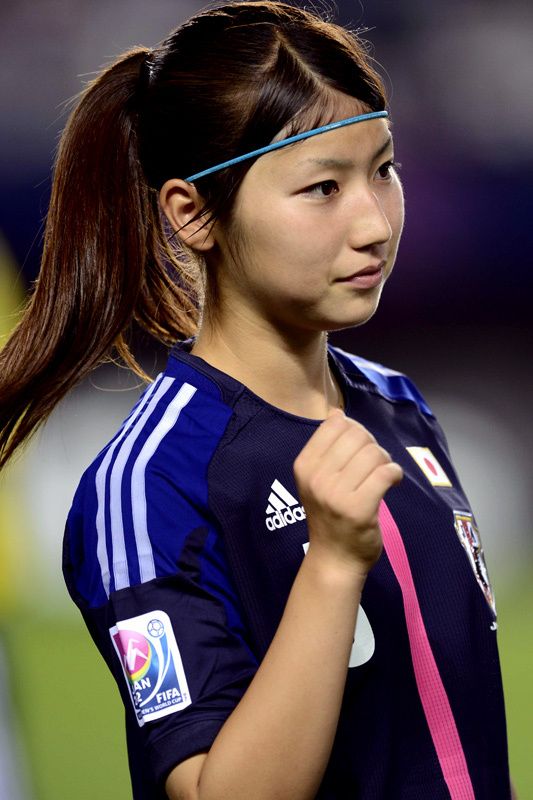
In recent years, global interest in women’s sports has been on the rise, yet the support for women’s football in Japan still lags behind. Haruna Takata, chair of the WE League and vice president at the Japan Football Association, sheds light on the inequalities plaguing women’s football in the country.
Takata highlights a cultural tendency in Japan to focus on the visual appeal and cuteness of female sports players rather than their skills and competitiveness. While football’s level of play improves, it becomes challenging to garner widespread interest when the focus remains on superficial aspects. This unique portrayal of female athletes in media inhibits the growth and recognition of women’s football in Japan.
Takata emphasizes that the global community may not fully appreciate the extent of the gender gap in Japan and its repercussions within women’s sports. Japan ranks dismally at 116th on the World Economic Forum’s Global Gender Gap Index, making it the only Group of Seven country outside the top 100. Reducing this gender gap and fostering a more enlightened society would undoubtedly make women’s football more accessible and popular.
Japan’s women’s football team, known as Nadeshiko, gained immense recognition in 2011 when they clinched the World Cup title, shortly after the devastating earthquake and tsunami that struck the country. Their triumph symbolized resilience and brought courage to the Japanese people. However, since then, progress in women’s football has stalled, despite the growing global interest in the sport.
One of the major obstacles facing women’s football in Japan is the glaring disparity in salaries and prize money, which often rely on the revenue generated through television broadcasts. The independence of Women’s World Cup TV rights from the men’s event for the first time this year has posed challenges. European broadcasters initially showed reluctance, offering staggeringly low bids. However, maintaining momentum, a European broadcast deal was eventually reached.
Takata expresses regret at not capitalizing on the success of winning the World Cup in 2011 to invest more in the business side of women’s football. She now spearheads the WE League, aiming to raise the value of women’s football as a whole. By seizing the opportunity to improve the sport’s visibility and recognition, players can become inspiring figures for young women, paving the way for progress in all women’s sports.
As the Women’s World Cup approaches, attention is drawn to the challenges faced by women’s football in Japan. Through the words of Haruna Takata, it becomes evident that support for women’s sports still requires significant improvement. By addressing gender gaps, shifting media focus, and seizing opportunities for investment and growth, women’s football can pave the way for progress in other women’s sports. It is time to leave behind inequalities and empower the next generation of female athletes.
 The Business Press