
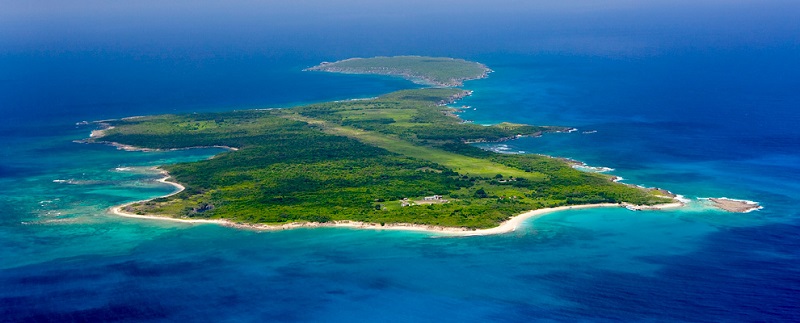
In a bold move to combat the escalating gang violence that has plagued Honduras, the country’s progressive president, Xiomara Castro, has announced plans to construct an isolated prison on the Islas del Cisne archipelago. This unique approach, reminiscent of neighboring El Salvador’s tough stance on criminal activities, aims to tackle the rampant murder, robbery, rape, and extortion committed by the most-feared gangsters in the Western Hemisphere.
Island prisons have a storied history throughout Latin America, with countries like Brazil, Chile, Colombia, Costa Rica, Mexico, Panama, and Peru once utilizing them. These facilities, characterized by deadly riots, harsh conditions, and daring escapes, have captivated the imagination of filmmakers and authors. Although the last island prison closed in Mexico in 2019, Honduras now seeks to resurrect this unconventional approach as part of a larger crackdown following a horrific gang-related massacre in one of its prisons.
While Honduran authorities view the establishment of a remote island prison as a tactical measure to curb violence, critics argue that it merely serves as a superficial solution that fails to address the underlying causes of systemic violence. Tiziano Breda, an expert on Latin America, suggests that regaining control over existing prisons should be prioritized before building new facilities, pointing out that criminal gangs have proven their ability to adapt to changing circumstances throughout history.
The need for drastic action became evident when 46 women were brutally killed in a gang fight within a Honduran prison. President Castro, determined to respond decisively, pledged to crack down on notorious gangs such as Barrio 18 and Mara Salvatrucha, or MS-13, which have terrorized the nation for years. The Islas del Cisne, accessible only by satellite communication and a day’s boat journey from the mainland, aims to isolate gang leaders and sever their ties with the outside world, ensuring they face consequences for their crimes.
President Castro’s strategy draws inspiration from El Salvador, where President Nayib Bukele has incarcerated an extraordinary number of individuals, effectively ushering in a notable decline in violence. However, concerns over potential human rights abuses and erosion of democratic principles have arisen, as it is estimated that only 30% of prisoners in El Salvador have clear gang affiliations. While Honduras seeks to emulate this approach, critics argue that it detracts from critical long-term solutions involving corruption eradication, demilitarization, and community policing.
The cost and completion timeline of the prison project remain undisclosed, but President Castro has emphasized its urgency. Experts anticipate challenges in reconciling this endeavor with the island’s status as an environmentally protected territory for over three decades. Biologists and conservationists worry that constructing a maximum security penitentiary could harm the archipelago’s rich biodiverse ecosystems, already grappling with the effects of climate change. The Honduran Biologists Association has voiced these concerns, emphasizing the incompatibility of a prison with the island’s natural landscapes and fragile climate conditions.
Honduras’s plan to build an island prison colony signals a departure from previous systemic reforms by adopting a more immediate, albeit contentious, solution to the gang violence plaguing the nation. While the proposal has garnered support from many Hondurans longing for a decisive end to the crime problem, caution must be exercised to ensure a comprehensive approach that addresses root causes. Additionally, preserving the Islas del Cisne’s unique ecosystems should be prioritized to harmonize the project with environmental safeguards. Ultimately, only time will reveal the effectiveness and broader implications of this unconventional measure.
 The Business Press