
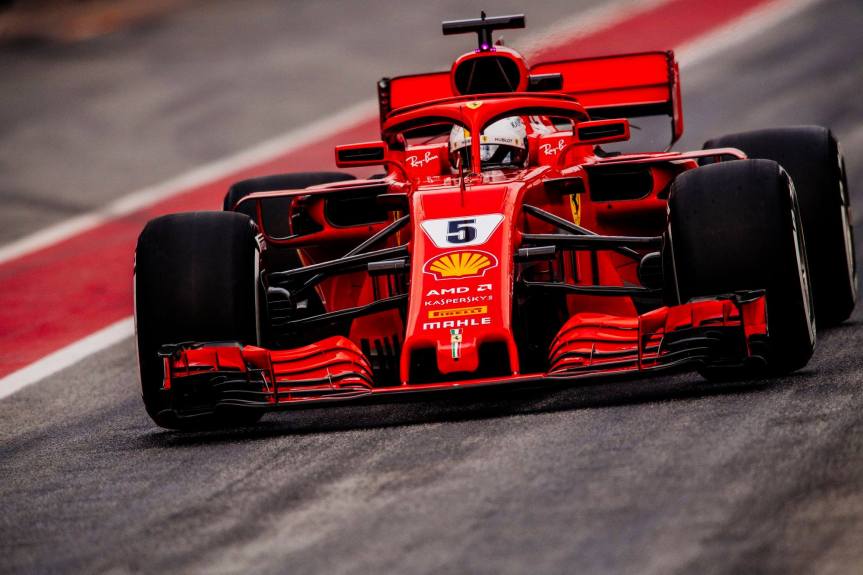
As the 2023 Formula 1 season reaches its halfway point, drivers and fans alike anticipate the Belgian Grand Prix at the iconic Spa circuit. This year, however, the race weekend brings an additional thrill with the inclusion of a sprint race. The sprint format has undergone significant changes in 2023, separating it from the Grand Prix and adding new dynamics and challenges to the competition.
For those unfamiliar, a sprint race is a shorter, 100-kilometer event that aims to captivate audiences with an all-out “sprint” to the finish line. In the case of the upcoming Baku City Circuit, the sprint race will consist of a thrilling 17-lap challenge, lasting approximately half an hour.
In previous seasons, the sprint race results would determine the starting grid for the Grand Prix, making them a crucial factor for the main race. However, this year’s changes distinguish the two events. Friday’s qualifying session now sets the starting order for the Grand Prix, followed by a separate qualifying session on Saturday for the sprint race.
The revised qualifying format, known as the “Sprint Shootout,” features shorter durations for each session. The first session, Q1, lasts 12 minutes, with the five slowest drivers eliminated. The subsequent Q2 lasts 10 minutes, eliminating another five drivers. Finally, Q3 is reduced to just 8 minutes, determining the top ten drivers for the sprint race grid. Each session allows a seven-minute break in between and requires mandatory tire compounds.
Given the significant changes, reactions from drivers and teams have been varied. While some express concerns over the added risks and cost implications, others embrace the separation of the sprint race from the Grand Prix. McLaren driver Lando Norris, for instance, appreciates the format shift as it aligns with the traditional Formula 1 experience he grew up watching. The separation allows drivers to take more risks without fear of compromising their position in Sunday’s main race.
The reduction in practice time presents an obstacle for teams, as they have only one session at the start of the weekend to gather crucial data and make adjustments. Mercedes’ Trackside Engineering Director, Andrew Shovlin, highlights the difficulties faced by drivers who must deliver a quick single-lap performance without sufficient warm-up. Additionally, the limited availability of tire sets increases the risk of unfavorable situations, such as red flags, during the sprint race qualifying session.
The new sprint format has already provided thrilling moments in the 2023 season. At the Azerbaijan Grand Prix, Sergio Pérez claimed victory in the sprint race after battling past Charles Leclerc. Similarly, during the Austrian Grand Prix, Max Verstappen and Pérez secured a front-row lockout for the sprint race, showing the potential for teams to dominate the qualifying session.
With the Belgian Grand Prix approaching, all eyes are on Spa as the drivers prepare for another exhilarating sprint race under the new format. Can Red Bull replicate their previous sprint race success and achieve yet another double front-row lockout? The eagerly anticipated race will uncover the answer and provide further proof of the excitement and challenges brought by the revised sprint format.
 The Business Press