
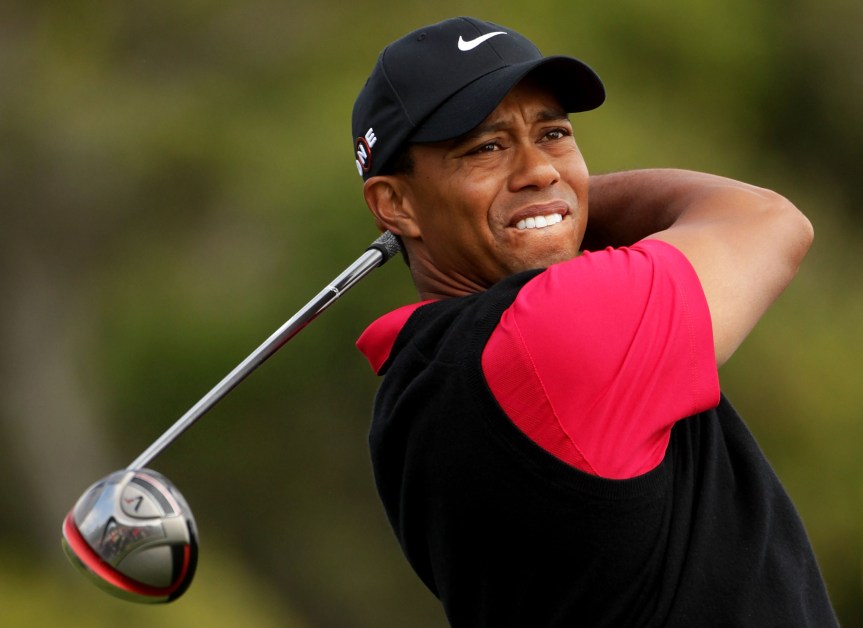
The recent appointment of Tiger Woods to the player advisory board has sparked significant speculation and garnered attention in the golfing world. While many outlets reported this development, they failed to fully acknowledge the implications it carries. This move signifies a potential shift in negotiating power, primarily concerning discussions with the Saudi Public Investment Fund (PIF).
Alongside players such as Patrick Cantlay, Charlie Hoffman, Peter Malnati, Webb Simpson, and Rory McIlroy, Tiger Woods now assumes the role of Player Director on the advisory board. The recent addition of Woods ensures that the players hold six out of twelve seats, leveling the playing field and ensuring they are no longer outnumbered.
Just a day prior to Woods’ appointment, he and 40 other PGA Tour players penned a letter to PGA Tour Commissioner Jay Monahan flagging two primary concerns – transparency and voting power. This development highlights a growing sentiment among golfers who felt left in the dark. As a response, Monahan appointed Colin Neville, a third-party advisor from The Raine Group, to represent the interests of the players. Neville will have complete access to all necessary information and documents to ensure transparency throughout the negotiation process.
With an illustrious career and remarkable influence, Tiger Woods is widely regarded as one of the most significant players in golf history. Given his stature, it is expected that Woods will play an active role in the negotiations. In his statement, Woods expressed his honor in representing the players and emphasized their commitment to making decisions that benefit all stakeholders, including fans, sponsors, and players. The capital letters employed by Woods in his statement reinforce the seriousness of his message.
Acknowledging the erosion of trust and confidence among players, Commissioner Monahan has vowed to take necessary steps to regain their faith. The inclusion of a third-party advisor, Colin Neville, aims to address these concerns. Neville’s role as a neutral representative ensures that the players have a voice and are aware of the ongoing negotiations.
Historically, PGA Tour players have viewed their organization as one run by the players, for the players. However, recent events have brought this perception into question. The introduction of governance changes, beginning with Woods joining the advisory board, marks a significant shift in power and signifies a renewed focus on player representation.
The addition of Tiger Woods to the player advisory board brings about a potential turning point in PGA Tour negotiations. With the players now holding a significant majority on the board and a dedicated third-party advisor in place, transparency and voting power can be restored. As negotiations progress, it will be intriguing to witness how Woods, alongside other influential players, shapes the future of the PGA Tour and advances the interests of all stakeholders involved.
 The Business Press