
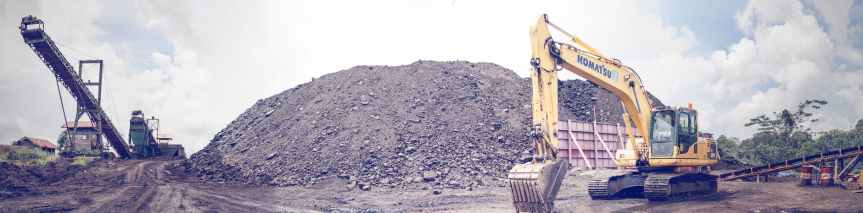
Environmental sustainability has become an imperative, and various industries are working towards minimizing their ecological footprint. The coal market, often associated with heavy carbon emissions and environmental concerns, has also witnessed a significant shift towards environmental initiatives.
Anthracite and Metallurgical Coal: Understanding the Environmental Impact:
Anthracite and metallurgical coal are two prominent forms of coal, widely used across various industries. However, they differ significantly in their composition and environmental impact.
Anthracite coal stands out due to its high carbon content, offering greater energy efficiency and lower carbon emissions compared to other types of coal. This makes it an attractive option for power generation, reducing the overall environmental impact compared to alternative fossil fuels.
On the other hand, metallurgical coal, also known as coking coal, is primarily used in steel production. While its carbon content is lower than anthracite coal, the environmental impact arises from the emission of greenhouse gases during the steel-making process. These emissions have prompted environmental concerns and emphasized the need for sustainable practices in the coal market.
Environmental Initiatives in the Coal Market:
1. Carbon Capture and Storage (CCS):
One promising technological advancement in the coal industry is Carbon Capture and Storage (CCS). This technique involves capturing carbon dioxide emissions at the source, such as power plants or steel production facilities, and storing them deep underground instead of releasing them into the atmosphere. CCS has gained attention as a viable method to reduce carbon emissions and mitigate the environmental impact of coal.
2. Transition to Renewable Energy:
Recognizing the need for diversification and reduced reliance on fossil fuels, several coal companies have begun transitioning their operations towards renewable energy sources. Some have invested in wind, solar, or biomass projects, aiming to balance their carbon footprint and contribute positively to the energy mix. This transition signifies the industry’s acknowledgment of the environmental challenges and the adoption of cleaner alternatives.
3. Sustainable Mining Practices:
Coal mining operations are known to have significant environmental consequences. To address this, many coal companies have implemented sustainable mining practices. These include reclamation of mined land, using advanced technologies to minimize water pollution, and reducing the overall ecological impact through careful planning and restoration efforts. Sustainable mining practices ensure that the coal industry operates in an environmentally responsible manner.
The coal market is undergoing a transformation as stakeholders increasingly recognize the urgent need for sustainable practices. Initiatives such as carbon capture and storage, transitioning to renewable energy sources, and incorporating sustainable mining practices are paving the way for a more environmentally conscious coal industry. These endeavors demonstrate the industry’s commitment to mitigating its environmental impact and contributing to a greener future.
 The Business Press