
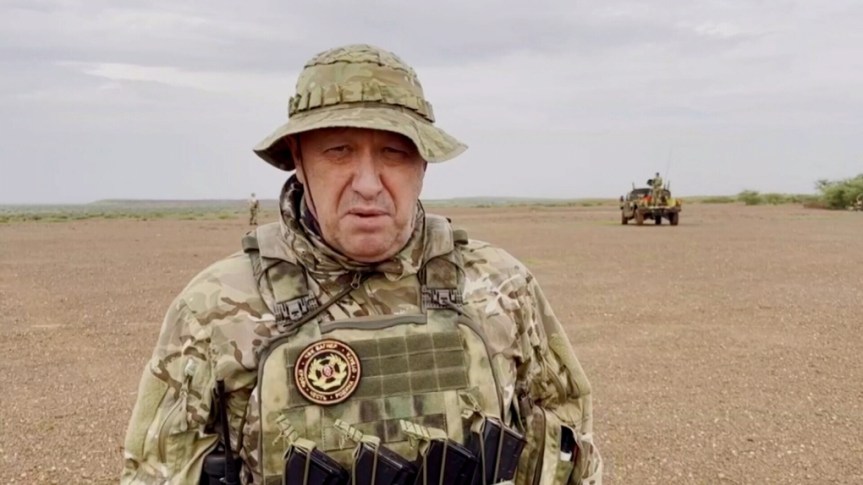
The untimely demise of Yevgeny Prigozhin, the enigmatic leader of the infamous Wagner Group, has captivated global attention. The recent plane crash, which claimed the lives of all onboard, including Prigozhin and his key associates, has sparked both skepticism and conspiracy theories. As investigations continue, questions arise about the potential motives behind this incident and the future of the notorious private military organization.
Russian authorities have officially confirmed the death of Wagner Group chief, Yevgeny Prigozhin, laying to rest any doubts surrounding his involvement in the ill-fated flight. Genetic testing on the recovered bodies confirms that they correspond to the flight’s passenger manifest, as stated by Russian Investigative Committee spokeswoman Svetlana Petrenko. The crash site, located between Moscow and St. Petersburg, has become the focal point of the investigation, albeit the cause of the crash remains unknown.
The timing of the crash has fueled suspicions of a potential Kremlin-orchestrated hit, while Prigozhin’s enigmatic background adds further speculation as to whether he was on the plane or managed to evade death. Notably, two months prior, Prigozhin led a mutiny against Russia’s military, an act that President Vladimir Putin denounced as treason. Surprisingly, the Russian government swiftly struck a deal with Prigozhin, granting him freedom and the opportunity to settle in Belarus. This turn of events left lingering doubts about whether Prigozhin would face consequences for his audacious challenge to Putin’s authority.
A preliminary assessment by U.S. intelligence suggested that the plane’s downing was the result of an intentional explosion. This prompted suspicions of an assassination plot implicating the Russian president himself. However, the Kremlin swiftly dismissed such allegations as a “complete lie.” Western officials familiar with the assessment claimed that Prigozhin had likely been targeted, citing Putin’s history of silencing critics as a potential motive.
Alongside Prigozhin, Wagner’s second-in-command, Dmitry Utkin, and logistics mastermind Valery Chekalov also lost their lives in the crash. The fate of Wagner, an organization that once played a prominent role in Russia’s military campaigns and was involved in various conflicts worldwide, now hangs in the balance. Following the mutiny, the Kremlin offered Prigozhin’s fighters three options: to join him in Belarus, retire, or enlist in Russia’s regular army and return to Ukraine. Many Wagner mercenaries chose the first option, and a camp was established for them in Belarus’s southeastern region, near Minsk.
The tragic plane crash that claimed the lives of Yevgeny Prigozhin and other key figures in the Wagner Group has left a void in Russia’s private military landscape. As investigations into the crash continue, the world watches closely for answers about what truly happened and whether there are broader implications for international relations. Uncertainty shrouds the future of the Wagner Group, leaving us to ponder the fate of this once-influential organization.
 The Business Press