-
Historic Joint Statement by Azerbaijan and Armenia Marks a Path to Peace in the South Caucasus
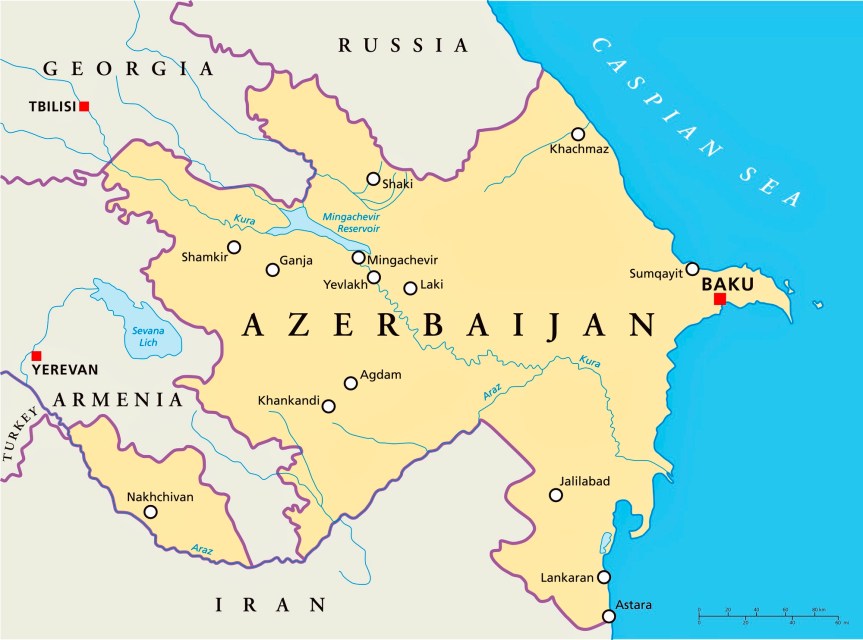
On December 7th, a momentous turning point swept the South Caucasus region as the Presidential Administration of the Republic of Azerbaijan and the Office of the Prime Minister of the Republic of Armenia took a significant step towards the long-awaited peace. Their joint statement, presented by AZERTAC, demonstrates a renewed commitment to normalize relations and…
-
Austria’s Veto and the Fragility of European Solidarity
Far-right politicians across European countries have demonstrated a tendency to leverage crises for their own political gain. The recent actions of Austria’s Chancellor Karl Nehammer serve as a poignant illustration of this trend. Using his nation’s veto power, Nehammer blocked Romania and Bulgaria from accession to the Schengen Area, despite both countries meeting the necessary…
-
New Era of Regional Integration in the South Caucasus
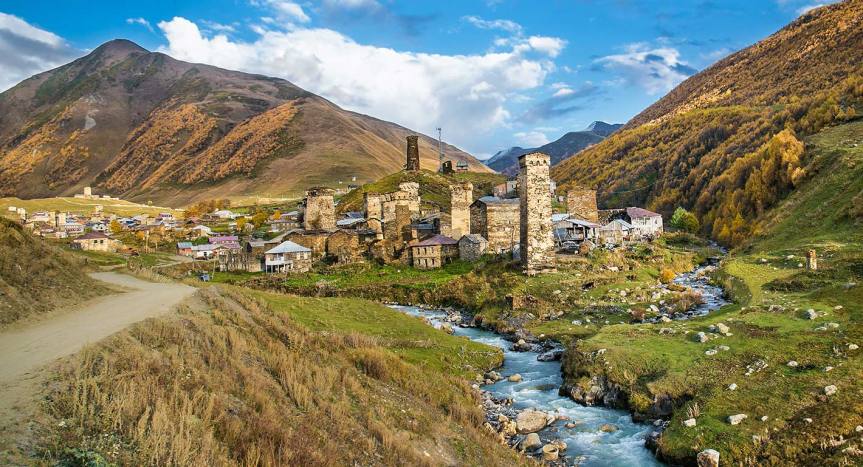
The recent events in the South Caucasus region have marked a significant turning point in the long-standing conflict between Armenia and Azerbaijan. In the wake of the collapse of the separatist regime in the Garabagh region of Azerbaijan, there are newfound prospects for mutual recognition of territorial integrity and regional integration. These developments have set…
-
EU Approves Major Investment in Next Generation Cloud Computing Technologies
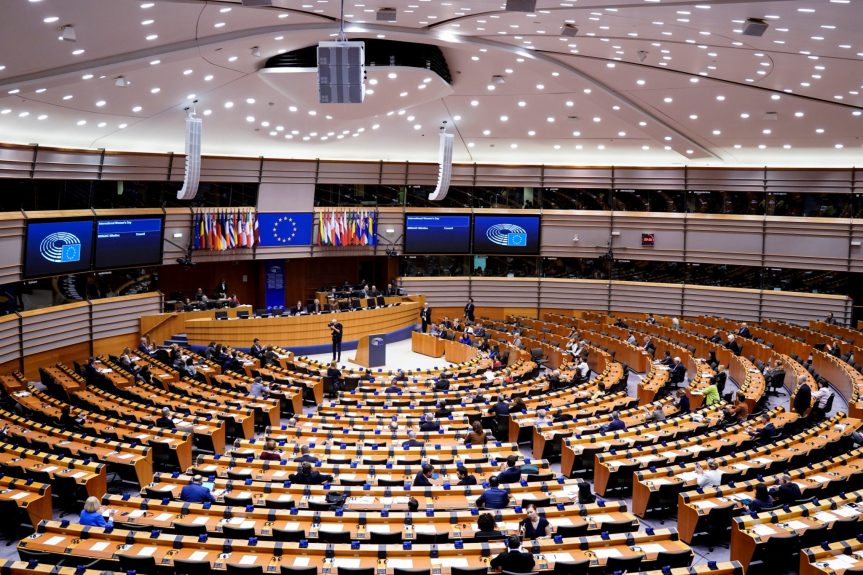
The European Commission has recently given the green light to an Important Project of Common European Interest (‘IPCEI’) that aims to promote the research, development, and initial industrial deployment of advanced cloud and edge computing technologies in Europe. This exciting new venture, named IPCEI Next Generation Cloud Infrastructure and Services (IPCEI CIS), has been jointly…
-
The Impact of EU Exports on Employment and Value Added
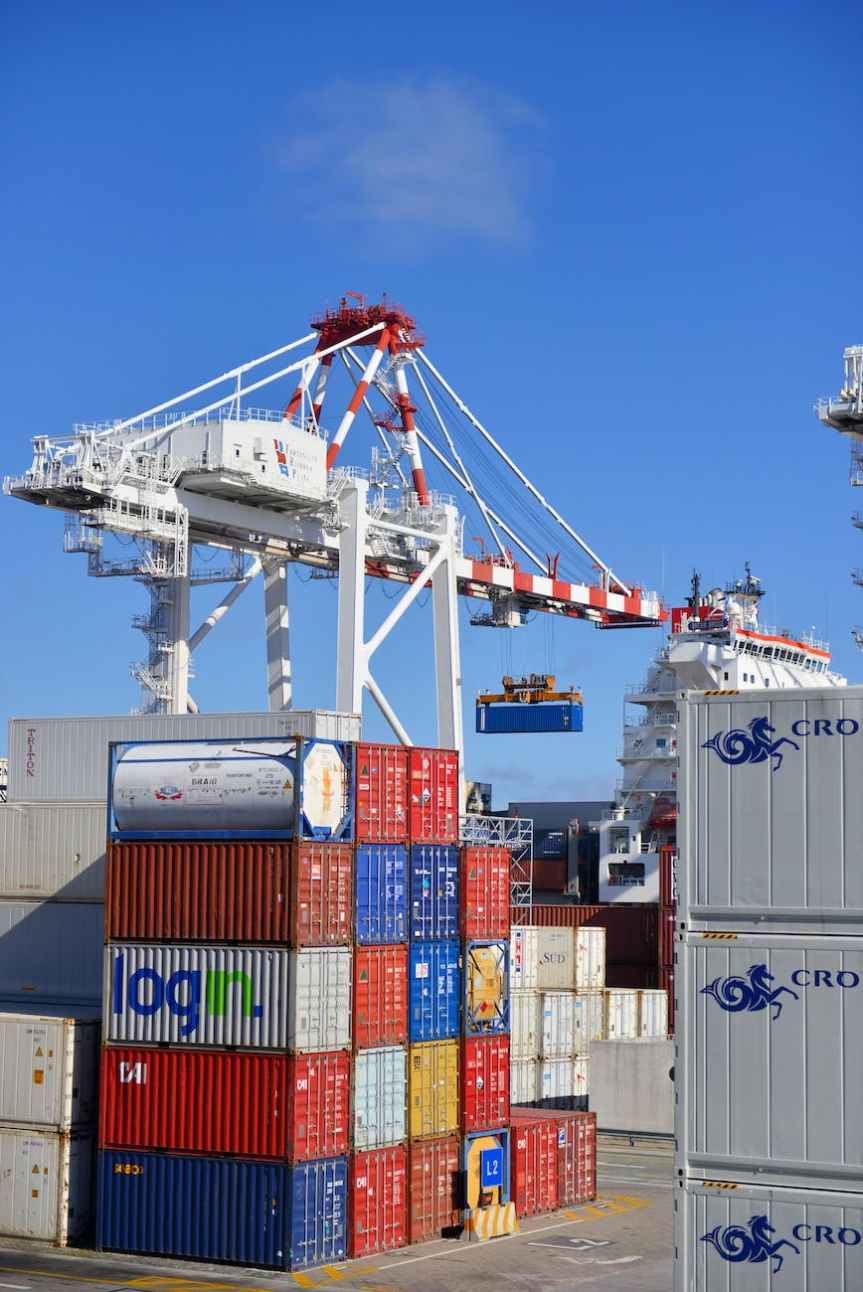
In 2021, the EU experienced an increase in employment supported by exports to non-EU countries, with 30.4 million individuals finding their livelihood through this channel, marking a 1.7% rise from the previous year. This figure represents 15% of total employment in the EU, highlighting the significant role of export-supported jobs in the region’s economy. Germany…